

Taking care of your mental health doesn't always require big changes. Some of the habits below, like getting enough sleep, staying active, and practicing mindfulness, are just a few common examples—there are hundreds of other healthy habits you can explore to find what works best for you. Self-care looks different for everyone, and even small, positive choices each day can make a big difference over time. The topics below will introduce simple habits that can help you build confidence, manage stress, and support your overall well-being.

The Calm Of Rest
Sleep might seem boring or even pointless sometimes, but it's actually one of the most important healthy habits you can build. It can be tempting to stay up late watching videos, playing games, texting friends, or scrolling on your phone, but your brain and body need plenty of rest to grow and recharge. Many studies have found that getting enough sleep—and going to bed and waking up at about the same time each day—helps improve your mood, memory, focus, learning, and overall health. This is especially important during the tween years because your brain is still growing, your body is changing, and you're learning new things every day. Not getting enough sleep can make it harder to pay attention in class, control your emotions, solve problems, and even enjoy the activities you love. Think of sleep as charging your body's battery—without enough of it, everything becomes a little harder. Even if it doesn't seem exciting, making sleep a priority is one of the best things you can do for your mental and physical well-being, both now and as you grow older. at their best.
Nourishment

Healthy eating is one of the best ways to take care of both your body and your mind. During the tween years, your body is growing quickly, your brain is developing, and you're learning new things every day. That means you need a variety of nutritious foods to give your body the energy and nutrients it needs to grow. Foods like fruits, vegetables, whole grains, lean proteins, dairy or dairy alternatives, and healthy fats all work together to help your muscles, bones, brain, and immune system stay strong. Eating balanced meals can also help you stay focused in school, improve your memory, keep your energy up throughout the day, and even support a healthier mood. While it's perfectly okay to enjoy sweets, chips, or your favorite snacks once in a while, eating too many processed or sugary foods can leave you feeling tired, sluggish, or unfocused. Think of your body like a car—just as a car runs best with the right fuel, your body works best when it's nourished with healthy foods. You don't have to eat perfectly every day, and no single meal has to be "perfect" either. What matters most is making healthy choices most of the time and building eating habits that help you grow into a strong, healthy, and confident teen.
Excersizing
Exercise is much more than just playing sports or going to the gym—it's any kind of movement that gets your body active and your heart pumping. Whether you're riding your bike, swimming, dancing, walking your dog, playing outside with friends, or joining a team sport, every bit of movement helps. Health experts recommend that tweens get at least 60 minutes of physical activity every day, because regular exercise helps your body grow stronger and keeps your mind healthy too. Being active can improve your mood, reduce stress and anxiety, boost your energy, strengthen your muscles and bones, and even help you sleep better at night. Exercise also helps you focus in school, think more clearly, and build confidence as you discover new skills and activities you enjoy. The best part is that exercise doesn't have to feel like a chore—you don't have to be the fastest runner or the best athlete to benefit. Find activities that make you smile, invite a friend or family member to join you, and remember that every step, jump, stretch, or game you play is helping your body and mind become healthier and stronger.
The Power of Staying Hydrated
Staying hydrated is one of the most underrated healthy habits, but it makes a huge difference in how you feel every day. Your body is made up of mostly water, and every part of it—including your brain—needs water to work properly. Drinking enough water can help you stay focused in class, keep your energy up, improve your mood, and even prevent headaches and dizziness. It's especially important to drink more water when you're exercising, spending time outside in the heat, or playing sports, since your body loses water through sweat. Many tweens don't realize they're thirsty until they already feel tired or unfocused, so it's a good idea to sip water throughout the day instead of waiting until you're really thirsty. Carrying a reusable water bottle or keeping one nearby can make it easier to remember. While juice and sports drinks can be okay sometimes, plain water is usually the best choice for keeping your body hydrated. It may seem like a small habit, but drinking enough water every day helps your body and mind perform at their very best.


The Art of Journaling
Sometimes, the best way to understand your thoughts and feelings is to get them out of your head and onto paper. When emotions start to pile up, writing them down can help you slow your mind, organize your thoughts, and see situations more clearly. You don't have to be a great writer, and there isn't a "right" or "wrong" way to keep a journal. Some people write about their day, while others make lists, answer journal prompts, write about their goals, or simply record how they're feeling in the moment. Journaling can help you recognize patterns in your emotions, solve problems more calmly, and reflect on both the good and challenging moments in your life. It can also be a safe, private space where you can express yourself honestly without worrying about being judged. Looking back at older entries can remind you how much you've grown, how you've overcome difficult situations, and how your feelings have changed over time. If you're feeling stressed, worried, angry, or even excited, taking just five or ten minutes to write can help you feel calmer and more in control. You can even decorate your journal with drawings, stickers, or colorful pens to make it feel more personal and fun. No matter how you choose to do it, journaling is a simple but powerful habit that can help you better understand yourself and support your mental and emotional well-being.

The Power of Deep Breathing
When life starts to feel overwhelming, one of the quickest ways to help your body and mind calm down is to simply slow your breathing. Taking slow, deep breaths sends a signal to your brain that you're safe, which helps lower your heart rate, relax your muscles, and ease feelings of stress or worry. This can be especially helpful before a big test, after an argument, when you're feeling frustrated, or anytime your emotions seem too big to handle. One easy breathing exercise is called box breathing: breathe in through your nose for four seconds, hold your breath for four seconds, breathe out slowly through your mouth for four seconds, and then pause for four seconds before repeating. As you focus on your breathing, your mind has a chance to slow down too, making it easier to think clearly and respond calmly instead of reacting right away. The more you practice, the more natural this skill becomes, even during stressful situations. You can use deep breathing almost anywhere—at school before a presentation, at home after a long day, in the car, or even while lying in bed before going to sleep. It doesn't cost anything, doesn't require special equipment, and only takes a few minutes. Although it may seem like a simple habit, learning how to control your breathing is one of the most effective ways to manage stress, improve focus, and take better care of your mental and emotional well-being.
Using Relaxation Techniques
Relaxation techniques might sound a little cheesy or like they're only for adults, but they can actually be some of the most helpful tools you can learn. Everyone feels stressed, overwhelmed, or frustrated sometimes, and having a few simple ways to relax can make those moments much easier to handle. Here are a few easy techniques that many people use to help their minds and bodies feel calmer.

01.
Sensory Observation
Begin by noticing your surroundings. Identify three gentle sounds, two earthy scents, and the feeling of the air. This practice grounds your consciousness in the here and now, much like roots settling into the warm earth.
02.
Progressive Release
Visualize a wave of warm sand washing over you, starting from your toes and rising to your crown. As the wave passes, feel your muscles soften and release their hold, leaving you as pliable as river reeds in a soft current.


03.
Heart-Mind Coherence
Place a hand over your heart. Breathe into that space with gratitude, letting each exhale radiate calmness outward. Imagine your heartbeat syncing with the steady, quiet pulse of the natural world around you.
Time Management
Time management is the skill of planning how you use your time so you can finish your homework, study for tests, enjoy your hobbies, spend time with friends and family, and still have time to relax, because learning to organize your day now can help you feel less stressed, avoid last-minute rushing, and stay more confident as your responsibilities continue to grow.
A great way to practice time management is by using a planner, calendar, or simple to-do list to break large assignments into smaller tasks, set realistic goals, and prioritize what needs to be done first, making even the busiest days feel much more manageable and giving you more time to enjoy the things you love.
Mental Organization
Sometimes, a busy mind can feel just as messy as a cluttered room, making it harder to focus, solve problems, or remember what needs to get done. The good news is that organizing your thoughts doesn't have to be difficult—here are three simple tips that can help you clear your mind, stay focused, and feel more in control.
Morning Nature Rituals
Taking a short walk outside, sitting under a tree, or simply listening to birds and feeling the fresh air can help calm your mind, reduce stress, and leave you feeling refreshed.

Digital Minimalism
Taking breaks from screens, turning off unnecessary notifications, or setting aside device-free time can help reduce distractions, clear your mind, and give you more time to focus on yourself, your hobbies, and the people around you. Even small changes, like putting your phone away while studying or before bed, can create a calmer and more balanced daily routine.


Mindful Transitions
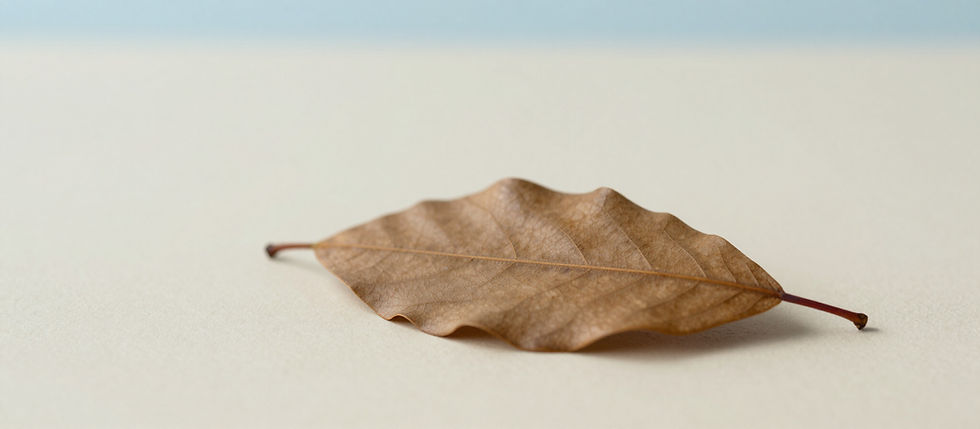
Pick one object, like a flower or a leaf, and spend a minute noticing its colors, shapes, and details to help calm your mind and stay present.

Building Healthy Friendships
Building healthy friendships is an important part of growing up because the people around you can have a big impact on your emotions, confidence, and overall well-being. During the tween years, friendships often start to become deeper and more meaningful, which makes learning how to communicate, listen, and understand others especially important. A healthy friendship is built on trust, respect, kindness, and the ability to be yourself without feeling pressured to change. Good communication means sharing your thoughts and feelings honestly, but also taking the time to listen to what others have to say. It's normal for friends to disagree sometimes, but learning how to handle conflicts calmly, apologize when needed, and find solutions together can make friendships stronger. Socializing doesn't mean you have to be the most outgoing person in the room—small actions like saying hello, including others, asking questions, and showing kindness can make a big difference. It's also important to recognize that a true friend should make you feel supported, valued, and comfortable rather than stressed or constantly worried about fitting in. By practicing empathy, respect, and healthy communication, tweens can build friendships that create positive experiences and help them grow into more confident and caring individuals.
The Power of Positive Self-Talk
Positive self-talk is about learning to become your own supporter. During the tween years, when so many changes are happening and confidence can sometimes feel uncertain, the way you speak to yourself can make a big difference. The thoughts you repeat in your mind can either bring you down or help you feel stronger, more capable, and ready to face challenges.

“Talk to yourself like you would to someone you love.”
— Brené Brown
Daily Affirmations to Try
-
I am learning and growing every day.
-
I am proud of the progress I make, even if it is small.
-
I can handle challenges one step at a time.
-
My feelings matter, and it is okay to ask for help when I need it.
-
I am capable of learning new things and improving.
-
I deserve kindness, respect, and understanding—including from myself.
-
Mistakes are a part of learning, and they do not define me.
-
I can choose positive thoughts that help me move forward.
-
I am unique, and I do not have to compare myself to others.
-
I have strengths, talents, and qualities that make me who I am.
-
I can take care of my mind, my body, and my emotions.
-
I believe in myself and the person I am becoming.
Digital Harmony
Technology can be a fun and helpful part of everyday life, whether you're connecting with friends, learning something new, or enjoying your favorite games and shows. However, finding a healthy balance with screen time is important, especially during the tween years when your brain, body, and social skills are still developing. Taking breaks from screens can give you more time for activities like hobbies, exercise, spending time with family and friends, and relaxing without distractions. This doesn't mean you have to avoid technology—it means learning how to use it in a way that supports your health and happiness. Small habits, like putting devices away during meals or before bedtime, can help create a better balance between online and offline life.


Why Do We Need Good Habits?
Building good habits is an important part of growing into a healthier, happier, and more confident person. The habits you create during the tween years can shape the way you think, act, and handle challenges as you get older. Starting now gives you the chance to practice responsibility, patience, kindness, and self-discipline while your mind and personality are still developing. Simple choices, like taking care of your health, managing your time, being respectful to others, and treating yourself with kindness, can slowly become part of who you are. Good habits don't just help you succeed in school or reach personal goals—they also help you become a better person by strengthening qualities like empathy, honesty, perseverance, and respect. Growing up isn't about being perfect; it's about learning, improving, and making choices that help you and the people around you. The small actions you practice today can become the values and behaviors that guide you throughout your life.

TweenEase is an educational website created to provide general information, guidance, and awareness about mental health, emotional wellness, and healthy habits, especially for tweens and young teens. The information shared throughout this section was gathered from trusted health and wellness organizations that research and provide guidance on topics such as sleep, nutrition, exercise, hydration, stress management, and self-care. Some of the sources used include organizations such as the Centers for Disease Control and Prevention (CDC), American Academy of Pediatrics (AAP), National Institute of Mental Health (NIMH), World Health Organization (WHO), Sleep Foundation, and American Psychological Association (APA). These organizations provide evidence-based information about the importance of healthy routines, physical activity, sleep, emotional well-being, coping skills, and positive lifestyle choices.
While TweenEase uses information from reliable sources, this website is not a replacement for doctors, mental health professionals, nutrition experts, or other qualified professionals. The goal of TweenEase is to make important information easier to understand and more accessible for tweens, families, and anyone interested in learning about emotional wellness and healthy habits. We have not included every single detail, study, or recommendation about each topic, and some information has been simplified to make it easier for younger audiences to understand. Healthy habits can look different for every person depending on their needs, lifestyle, and circumstances. If you would like to learn more, we encourage you to visit the trusted organizations listed above and explore their resources for more detailed and professional information. TweenEase is here to educate, encourage, and provide a starting point for learning—not to diagnose, treat, or replace professional support.